video from Fidessa Literary
Author: crackedceilingvw
Having started life in the U.K., I’ve been spending most of the rest of it in the Netherlands and the Philippines. I’ve had nonfiction, fiction and poetry published in a number of small presses in a number of countries, and work with an NGO providing education for children living in Manila’s slum areas. www.youngfocus.org
‘Dear Planet’ cover
Made by publisher Fidessa Literary: https://www.fidessaliterary.com
Art by Tara Soriano (Instagram).
Announcing…

DEBUT POETRY COLLECTION ‘DEAR PLANET’ SOON TO BE RELEASED!
Good news update: Publisher Fidessa Literary will be partnering with me in donating part of the proceeds of ‘Dear Planet’ book sales to education charity Young Focus (www.youngfocus.org).
Pre-order info here: https://www.fidessaliterary.com/pre-order
poem: RECENTLY WHILE BIRD WATCHING
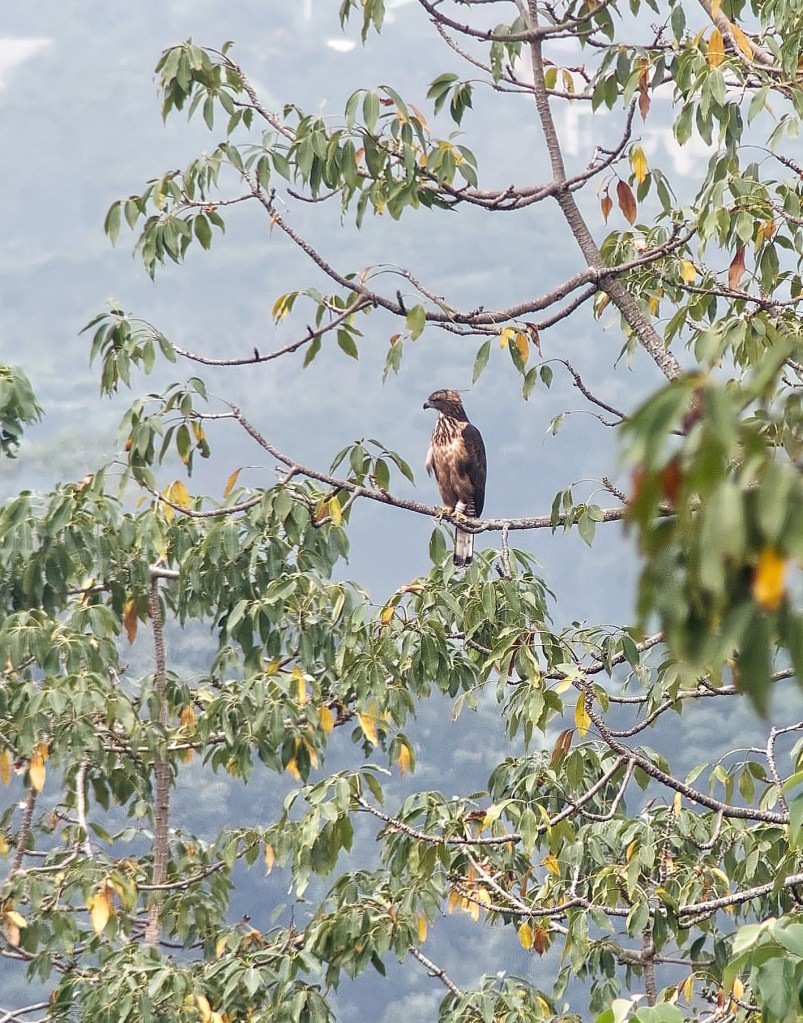
Who knew – the simple habit of watching birds can change your life! And it’s not just about the joy. For me, at least, it has also started to subtly shift how I see reality…
RECENTLY WHILE BIRD WATCHING
far from being outside observers
like them
we eat drink pee & poop
procreate to finally fall to earth
dissolving into undergrowth
dust to dust
embraced embodied
we join our crew
far from being outside observers
like them
we bust out in song
our chests swell with zing & zang
of arteries full
filling air with music of our presence
as we squabble & bitch
flirt & follow build our nests
feed & fight for beloved brood
with beak & blood our very breath
far from being outside observers
like them
we learn to loosen clawlike grip
from snip snap
plastic fakery
to relaunch into thermals
on invisible wings or perch
among arboreal arches
in gladness still or loud
to look upon this world of ours
far from being outside observers
First published in Queen’s Quarterly, March 2025; part of debut poetry collection ‘Dear Planet’ to be published by Fidessa Literary later this year.
photo: Philippine Hawk-Eagle
photographer: Paul van Wijgerden
poem: Road Rage
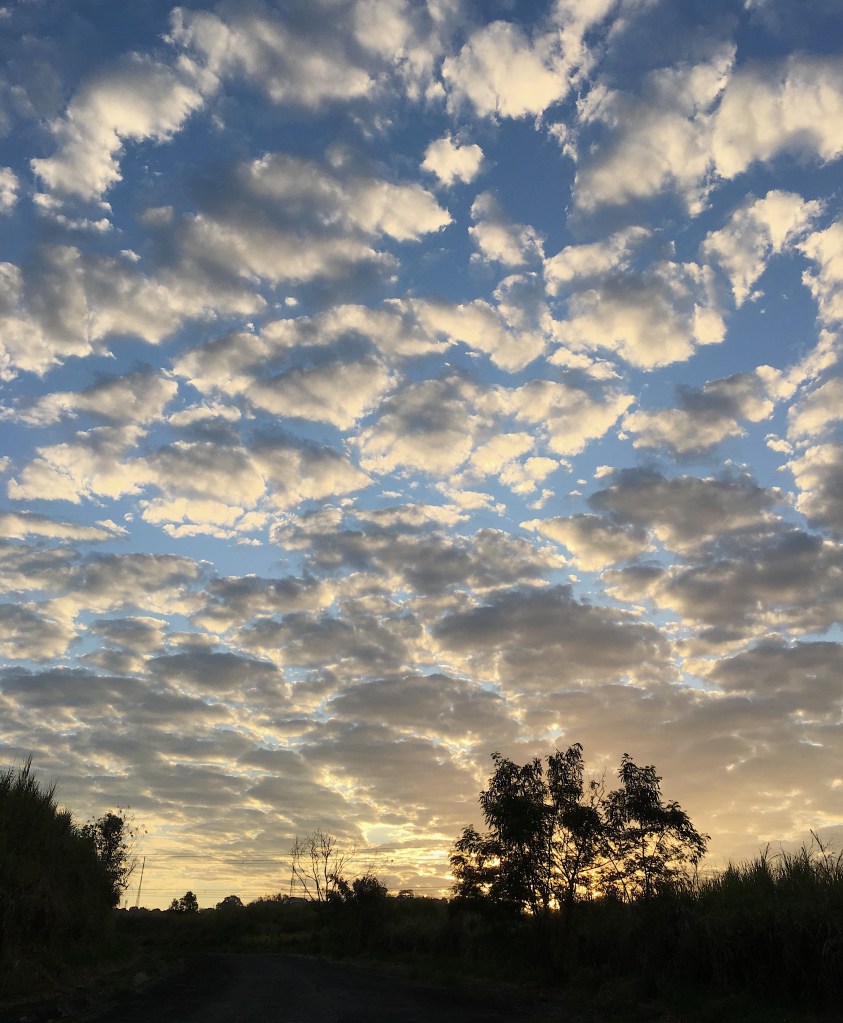
Self-compassion can play a big role in healing and freedom from a painful past…
ROAD RAGE
frozen in flight
headlights full beam
bearing down on rabbit-me
helpless in rage
impotency
but how could a child
protect a mother
from lashing tongue
of another
the truck long passed
I scoop you up
press cheek to quivering fur
in ear’s velveteen
whisper whisper
their anguish is over
our torment too
now run rabbit run
I’ll run with you
the road is empty
horizon bright with dawn
I turn to fly
rabbit-me
gone
First published in The Amphibian Literary and Art Journal, March 2025; part of debut poetry collection ‘Dear Planet’ to be published by Fidessa Literary later this year.
poem: WAKING

Even if it’s for just a moment, have you ever had that sensation that you’re sliding up out of sleep and into awake-ness, like transferring up out one world into another?
WAKING
“Dreams fade with morning light, Never a morn for thee, Dreamer of dreams, goodnight.” – Roberto Bolaño
Breaching
surface
a mermaid reborn
to walk the earth.
Dripping
from scalp
from ocean pressed
ebony tresses–
seawater celestial blues
prismed through trans-
terrestrial matrix
of sentient
light.
Higher
she rises
faster falls
these dream
sapphires
of iridescence
into oblivion
of the
forgotten.
First published in The Amphibian Literary and Art Journal, March 2025; part of debut poetry collection ‘Dear Planet’ to be published by Fidessa Literary later this year.
short story: BREAKING SILENCE
Edged with peach-painted brickwork, all else in the street has the colour and sheen of plastic, accessorized with random coverings of metal, as in a toy town turned life-sized prototype. Under Greg’s gaze, utterly without meaning one moment, but the next, erupting into life. It’s the hint of a scent remembered; immediately the Italian promenade bursts into full emotive view. As it seizes hold of his senses, Greg struggles to unwrap its message, its layers of poignancy. Beneath the synthetic surface of tables, chairs and parasol poles, beyond the glint and shine of copper and glass, the scene aches with story and memory. But it’s that smell of coffee, burned sugar, city sweet that brings it all ablaze.
“This is why we came, isn’t it?”
Lori almost spills the cappuccino she’s holding. Setting down her cup gently, as if in the presence of an injured animal, she listens for more.
“It’s why you brought me here, Mum,” Greg continues. “You want me to remember.”
“And do you?”
The moment Lori speaks, she’s afraid. She must avoid confrontation at all costs, or risk the tap being turned tight shut again. Although Greg doesn’t reply straight away, at least his haggard features don’t harden, his grey eyes don’t glaze over.
When they first took their seats on the terrace, the two of them were the only morning customers, but now the café is slowly humming into life. The sanctuary of normality surrounds them in the muffled sounds of talk and laughter, scrape of chairs, chink of glass, spoon and cup. Lori waits.
“Hard to explain.” Greg looks up from his untouched coffee and stares over his mother’s silver hair, loosely caught up in a bun. ‘Hard’ is an unintended understatement. It’s impossible for him to explain. The trunk of pain has been latched and bolted for many months, his subconscious has only just retrieved the key.
“I remember some happiness here,” Greg offers instead.
Happiness? Lori hardly dares whisper the word in her thoughts, such is the hole it has left in their lives; as if she has just caught sight of a beloved bird, she doesn’t want to scare it off by calling its name. But this is astonishing progress, it makes Lori tremble. No need to push further. It is, after all, their very first true reconnection since that disastrous trip just over a year ago…
Greg missed the flight home with the rest of his colleagues. When he finally turns up, he’s in such a state Lori thinks it a miracle he even managed to board the plane. Quitting his job and his flat, Greg then moves back home but is a hermit in his childhood bedroom, where he eats, works and sleeps. Lori knows their neighbours assume it’s a great comfort for her to have her son back after the loss of Derek. But they cannot imagine the anguish. The withdrawn presence of one only underscores the absence of the other.
*
That evening, mother and son walk down the main cobbled pedestrian street to a simple but charming beachfront restaurant. They choose their place along the seaward edge of the wooden decking at one of the small square tables, each covered with a bright orange tablecloth. After enjoying a risotto meal, mostly in silence but for the calming wash of the waves cloaking the buzz of conversation around them, they turn their black plastic chairs towards the ocean and a gentle, salt-laced breeze, while the deep reds of the dying sun cast a warm blush over them. A thousand questions remain, but Lori is content to simply share the view. Greg turns to her.
“It happened at a restaurant not far from here.”
Lori feels her heart might stop as she watches a portcullis being raised. Emotions she cannot identify flicker across her son’s face.
“It’d been such a great time. We were having one last meal together before going home. And – you remember Jane – I’d finally told her how I felt about her. I was so in love.”
Greg trails off, scarcely believing his own words.
“I guess I was quite drunk by the time we were leaving. On our way out, we passed a family, and I heard the man talking.”
There’s a pause. Lori holds her breath.
“He sounded like Dad. I had to stop and check. It’s not that I could recognize anyone at that table, but something just got triggered in me and I completely lost it. I was yelling, ‘What are you doing here? I thought you were dead! Why did you leave us?’ I went on and on. Totally flipped. It was a nightmare, Mum. The young kids at the table were crying. The waiters were shoving me outside.”
There’s another pause, a longer one. Lori remains silent, sensing Greg has more to say.
“That’s about it. Jane wouldn’t speak to me anymore. I’d wrecked everything.”
“Oh, Greg dear,” murmurs Lori. So, it is after all what she first suspected: the source of her son’s suffering is a broken heart.
“Thanks for getting me talking.” He smiles the faintest of smiles, made uneasy by the nagging guilt of a truth untold.
Greg turns from his mother to focus on the moonlight reflecting along the liquid horizon. He can speak no further at this point but lets the memories play on. The movie is unravelling, unfurling, and he watches for the first time unafraid.
He doesn’t join the others when they walk back to the hotel. The intensity of rage has made him stone-cold sober. He waits hidden in an alley next to the restaurant and follows the family back to their hotel. Because it is his father. He might be disguised in a moustache and beard and unfamiliar clothes. But it is his father. Leaving a note for Jane, Greg moves to a hostel near the second hotel. He has to understand why his father went to such lengths to fake his death. Why the deception of the car accident in Tunisia? Why the abandonment? Greg eventually corners him alone in a souvenir shop. The scene plays out, drowning in humiliation: surrounded by the tourist bric-a-brac and nonsensicality of mugs, masks, dishes, dolls and postcards; shelves of silent witnesses to his father’s refusal to answer his questions, his refusal even to take off his sunglasses and look Greg in the eye. Then his father’s final sentence, a guillotine blade, slicing away any lifeline: ‘I AM dead to you because you’re dead to me.’
The lid of the trunk has been thrown back. Greg clenches his fists, squeezes his eyes shut, the fury as raw as if it happened yesterday; the betrayal exposed, in all its cowardice.
Recovering himself, minutes later, after quickly checking his mother’s gaze out to sea is unchanged, he refocuses on the skyline. Now it is bewilderment that hits him: the depths of his subliminal refusal to face facts was so effective in burying those facts out of sight from his own consciousness. Glancing again at Lori, he decides there will have to come a point when he respects her with the whole truth, rather than protect her from it. He promises himself, the father’s secret won’t be the son’s forever. No more burying.
Lori sighs at the white traces of cresting waves, barely visible. When will Greg be ready? The absurd theatrics of her husband’s deceit three years ago must not stay her secret much longer. Derek’s unfaithfulness through the years left behind a wife unable to shake off a suspicion, that suspicion finally confirmed by a private detective six months earlier: Derek is ‘back from the dead’, living in Colombia with a second family.
Unseen in the dark the ocean laps and strokes the sand, its swell and breath rekindling hope within two hearts. And from its depths, the sea’s distant roar, rising and falling, sings to them.
Lori listens and smiles. The drawbridge is down, and she is going to walk right back into her son’s heart if it’s the last thing she does. Turning to him, she takes hold of both his hands in hers. Their eyes meet, his tears rise, and she knows it’s safe to cross.
“Greg dearest, there’s something I need to tell you…”
First published in redrosethorns journal, October 2024: https://www.redrosethorns.com/post/breaking-silence
Poem: BETWEEN THE TIDES
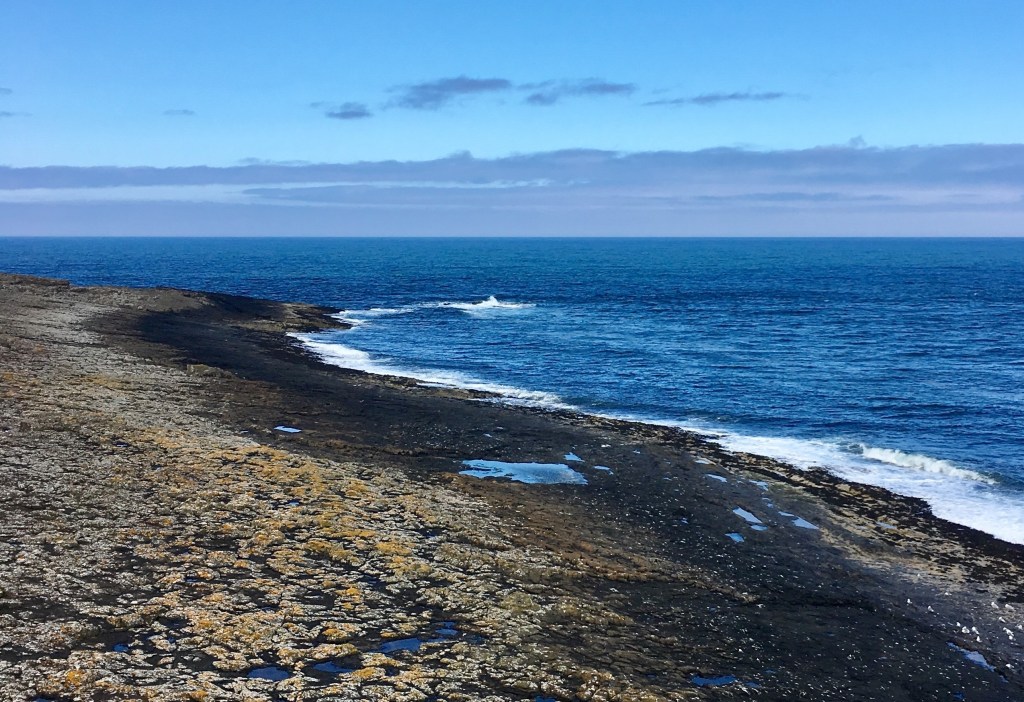
air tanged with salt
this breath of brine
and rock pools languish
in the sun
these waiting rooms
between the tides
caressed by foamy
fingertips
a tiny fish
with silver flanks
is anything but
bored or still
she seeks in joy
her sustenance
and tells me not to fear
the flow
First published in The Wild Umbrella: https://www.thewildumbrella.com/post/between-the-tides
Interview video clip: https://www.instagram.com/reel/C9nfKxuRyAf/?igsh=Mzl3ZG15d2J3Y2Fv
Poem: THE DYING ART OF LETTING GO

Northumberland, U.K., January 2022
Winter sun hangs low in clear blue of sky, half-blinded by its potency,
yet I know what lies outside, beyond backdoor open, concrete patio
shiny wet, out there on untamed grass, while I am halted here in probing
warmth, amidst automaton tasks of the day. Everything has changed,
everything.
Before, I was drawn into your garden at first hint of sunshine, riotous
bark of pheasant, beckoning of ivy gargoyle green, heady dew of honey-
suckle, I was undone and reborn every time, but now this devastation,
wreckage lain bare, anguish reaching through eyes squeezing soul
breathless.
Vaulted giants bare-branched standing guard along bottom edge of garden,
your glassless greenhouse to the left, solid tomb of brick shed to the right,
garrisoned behind this orchard now uprooted: bulging wounds in bleeding
earth, black skeletal torn up humps, beached carcasses of stranded whales.
All talked of those gale-force winds, while you said so little. Did you sense
the end they signalled? Did you bury finale’s inevitability? Steering, instead,
our closing conversations to lighter matters: culinary adventures with pumpkin
lasagne, windowsills of neglected radishes calling for attention.
Here in the doorway of your emptying bungalow, weeks of sorting–throw
away, give away, pack, sell. Bold blue rayon dress I never knew you kept,
rings and perfumes I never knew you had, socks and books and gardening
gloves overflow forgotten drawers, once hidden shelves. No emotion, only
emptying. Evacuating a ship slowly sinking, this goodbye will be the last,
for these rooms, these walls, this spacious green, this annual oasis of thirty
years… Song thrush bursts into lament from within thicket of fallen trees,
a sigh, then roar of breeze swells in uppermost branches of gleaming oak,
of emerald firs, the wavering cry of distant sheep rolls and lingers mid-
air, gutter trickles its steady, sedate drip of thawing freeze into drain
beneath your kitchen window, as I read the message in these
scattered remains of a storm, this blessing in heavy disguise:
It is over.
First published in The Wild Umbrella: https://www.thewildumbrella.com/post/the-dying-art-of-letting-go
poem: DEAR PLANET
Last night I dreamed of oceans unboundaried by horizons. I saw landmasses likewise in all their luminous verdancy, length, and breadth. But it was the waters captivating me in aqua hues, light scattering diamantine, undulating surfaces, their expanses exhaling, inhaling, exhaling. In my dream I saw their vastness completely, not in the sense of how far, how wide, no measurements, no delineations of map, but omniscient-like knowing of being, a fusion of interconnection and personhood, making me blush now as one harried ant in the presence of angels.
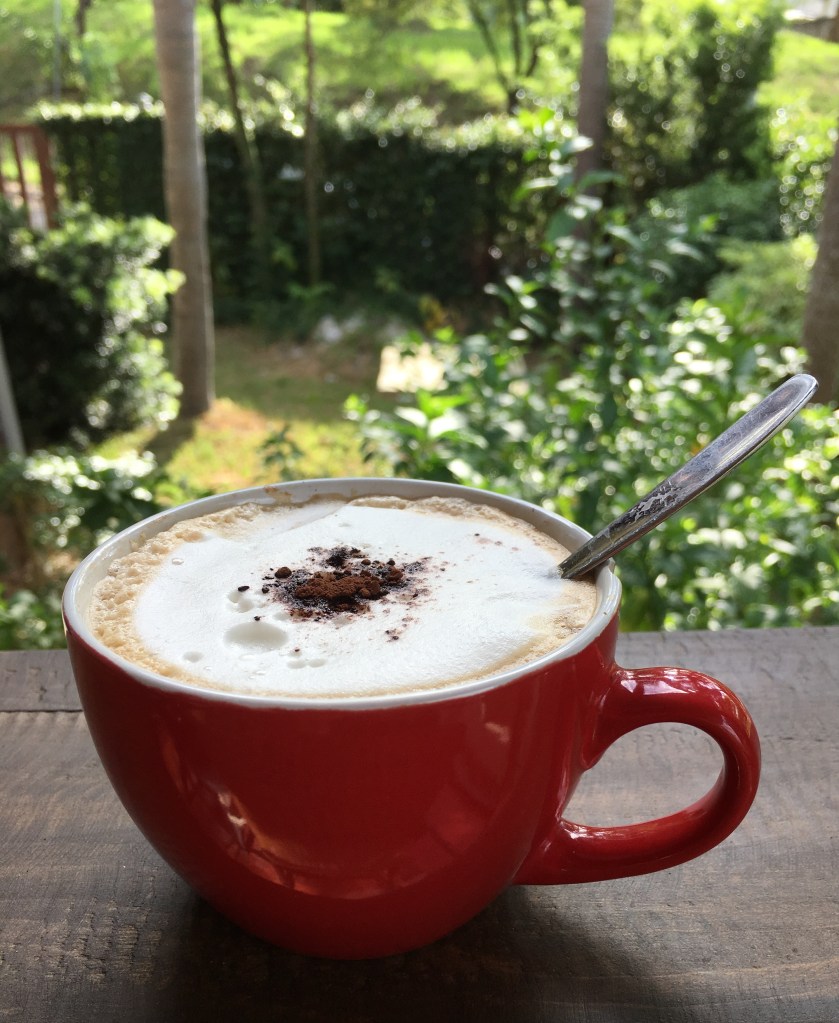
An early coffee
while the waters sing
a world beneath the waves.
First published in Yellow Arrow Vignette: https://www.yellowarrowpublishing.com/vignette/spark-2023-wijgerden-dear-planet
 CrackedCeiling